
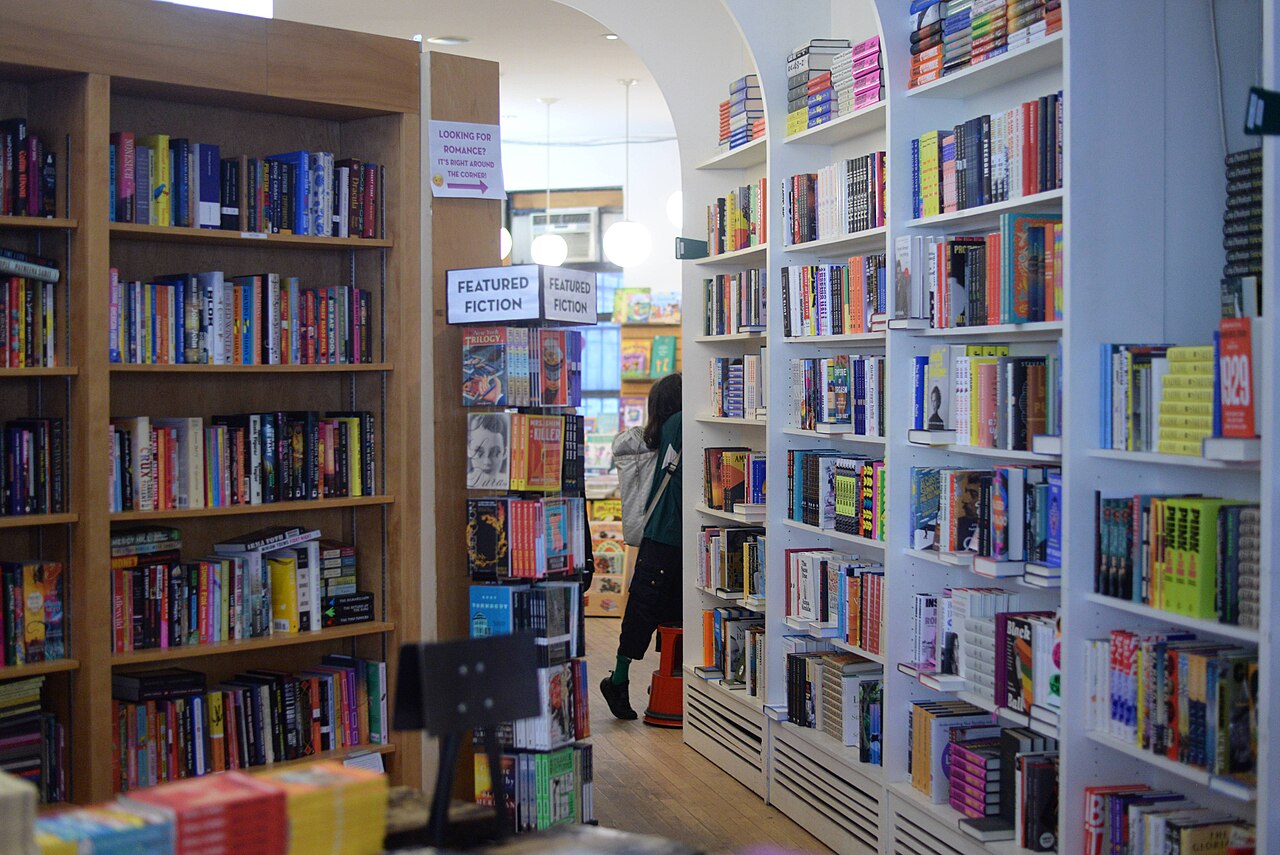
At the start of the century, few businesses seemed more vulnerable than the independent bookstore. Big-box chains had already squeezed many small shops, and then online retail and e-readers arrived with lower prices and instant delivery. Predictions of the local bookshop’s extinction were common. Instead, independent bookstores have staged a remarkable comeback in many communities, opening new locations and attracting a loyal base of readers who value something algorithms struggle to provide.
Surviving the Disruption
The comeback did not happen because independent stores beat online retailers on price or convenience. They largely could not. Instead, the stores that survived found ways to offer what digital platforms could not easily replicate.
Booksellers leaned into expertise and personal service. They learned their customers’ tastes, made thoughtful recommendations and built inventories that reflected their communities. A small store cannot stock every title, but it can stock the right ones, presented in ways that invite discovery.
At the same time, the e-book proved less disruptive than many expected. Digital reading found a solid audience, but print remained popular, particularly for gifts, children’s books and titles readers wanted to keep. That steady demand for physical books gave independent shops room to adapt.
The Power of Curation
Walking into a well-run independent bookstore is a different experience from scrolling an online catalog. Tables are arranged around themes, staff picks are marked with handwritten notes, and displays highlight local authors or overlooked gems. The result is a sense of serendipity, the chance of finding a book you did not know you wanted.
An online store tells you what people like you have bought; a good bookseller tells you what you might love next.
This curation has become the heart of the independent store’s value. Readers increasingly describe feeling overwhelmed by endless options online. A trusted bookseller narrows the field and offers context, turning shopping into conversation.
Bookstores as Community Hubs
Many independent stores have expanded beyond selling books. They have become gathering spaces that anchor neighborhoods and downtown streets. Common programs include:
- Author readings, signings and conversations
- Book clubs organized by genre, age group or theme
- Story times and reading programs for young children
- Writing workshops and poetry nights
- Partnerships with schools, libraries and local organizations
These activities bring people through the door regularly and create relationships that extend beyond a single purchase. For many communities, the bookstore functions as a third place, somewhere between home and work where people can linger, meet friends and feel connected.
Some stores have added cafes, wine bars or small event spaces to support this role. Others sell gifts, stationery and games to diversify revenue. The most successful shops treat these additions as extensions of their identity rather than distractions from it.
Social Media and a New Generation of Readers
An unexpected boost has come from social media. Online communities devoted to books have introduced younger readers to new titles and genres, sometimes turning older novels into fresh bestsellers. Readers inspired by these conversations often visit bookstores looking for specific recommendations, and many stores have created dedicated displays for titles trending online.
Booksellers have also used social platforms themselves to share staff picks, announce events and show off their shops. A charming storefront or a creative display can attract visitors from well beyond the immediate neighborhood. In this way, digital tools that once threatened bookstores now help drive foot traffic to them.
Ongoing Pressures
The comeback is real, but running an independent bookstore remains a difficult business. Profit margins on books are thin, and rising rents in popular shopping districts can push stores out of the very neighborhoods they helped revitalize. Shipping costs, supply delays and competition from discount retailers continue to create pressure.
Many owners have responded with practical strategies:
- Building online storefronts that let customers order from the local shop
- Offering memberships or subscription boxes for steady revenue
- Hosting ticketed events that combine admission with a book purchase
- Partnering with schools and businesses for bulk orders
Staffing is another challenge. Skilled booksellers are the core of the business, yet wages in retail are often modest. Stores that invest in their staff tend to see the payoff in customer loyalty, but that investment requires careful budgeting.
Why the Local Bookshop Endures
The return of the independent bookstore offers a broader lesson about the limits of convenience. People still want places where they can browse, talk and discover things in person. They want recommendations from someone who has read the book, and they want their spending to support their own communities.
Independent bookstores have survived by understanding those needs and building businesses around them. They are unlikely to dominate the book market again, but they do not have to. By serving as curators, gathering places and champions of reading, they have secured a lasting role in the cultural life of the towns and cities they call home.