
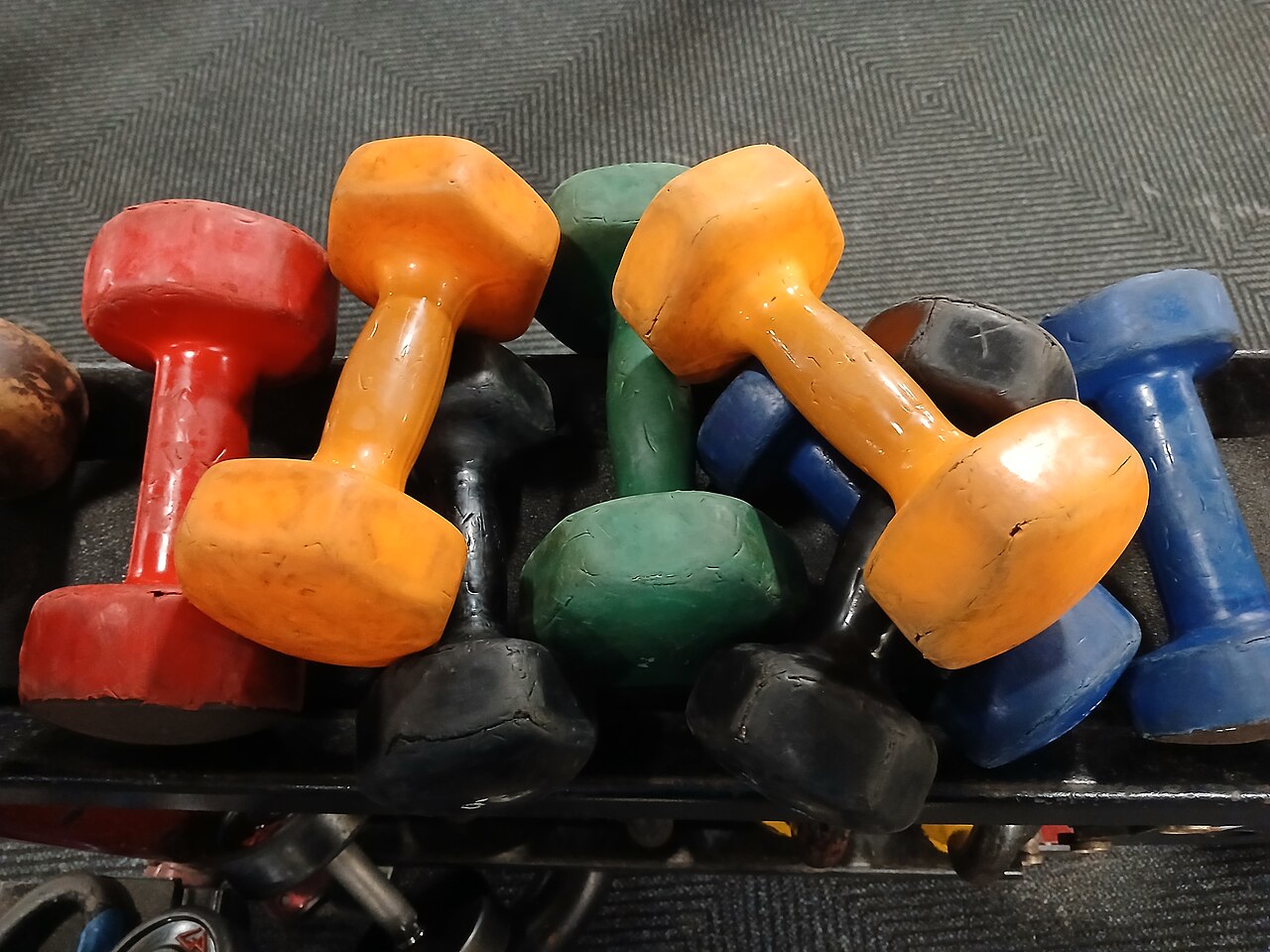
Many adults spend their twenties and thirties assuming strength is something that simply stays put. By the time they reach their forties, they begin to notice that carrying groceries, climbing stairs or getting up from the floor takes more effort than it used to. Strength training is one of the most effective ways to push back against that gradual change, and it is rarely too late to start.
Why Strength Matters More With Age
Muscle mass and strength tend to decline gradually from midlife onward, a process that can accelerate without regular activity. This age-related loss of muscle, known as sarcopenia, can affect balance, mobility and independence later in life.
Resistance training challenges muscles to adapt. Over time, this can help maintain or build muscle, support bone health, improve balance and make daily tasks easier. Many people also find that regular strength work improves posture, supports healthy weight management and boosts confidence.
Health guidelines in many countries recommend that adults include muscle-strengthening activities at least two days per week, working all major muscle groups. For people who have never lifted weights, that recommendation can sound intimidating, but the reality is often much simpler than expected.
Getting Started the Right Way
The first step for anyone with existing health conditions, previous injuries or a long period of inactivity is a conversation with a doctor or qualified health professional. This helps identify any limitations and ensures the plan suits your situation.
From there, the focus should be on learning movement patterns rather than lifting heavy loads. A strength coach who trains clients aged 40 to 75 at a community fitness center in Portland describes the early weeks as “building the foundation before the house.” Good technique protects joints and sets up steady progress.
Starting light is not a sign of weakness. It is the reason people over 40 can keep training for decades.
Core Movements to Learn
A balanced beginner program usually covers a handful of fundamental movement patterns. These can be performed with body weight, resistance bands, dumbbells or machines:
- Squat: sitting back into a chair and standing up is a natural starting point, progressing to bodyweight or goblet squats.
- Hinge: movements such as hip hinges or Romanian deadlifts with light weights train the hips and back of the legs.
- Push: wall push-ups, incline push-ups or chest presses build upper-body pushing strength.
- Pull: band rows, seated cable rows or dumbbell rows strengthen the back and support posture.
- Carry: walking while holding weights in each hand builds grip, core stability and everyday functional strength.
Adding balance and core exercises, such as standing on one leg or performing planks, rounds out a well-structured routine.
How to Progress Without Getting Hurt
Progress in strength training comes from gradually increasing the challenge. This can mean adding weight, performing more repetitions, slowing the movement or adding another set. The key word is gradual. Small, steady increases are far safer than big jumps.
A few principles help reduce the risk of injury:
- Warm up first. Five to ten minutes of light cardio and dynamic movements prepare muscles and joints.
- Prioritize form. If technique breaks down, reduce the weight.
- Leave some effort in reserve. Finish most sets feeling that you could have done a couple more repetitions.
- Allow recovery. Muscles need time to adapt; avoid training the same muscle groups hard on consecutive days.
- Distinguish soreness from pain. Mild muscle soreness a day or two after training is normal. Sharp or joint pain is not and should be taken seriously.
Working with a qualified trainer, even for a few sessions, can be a worthwhile investment. Many community centers and gyms offer introductory classes designed for older adults or beginners.
Recovery, Sleep and Nutrition
Training is only part of the equation. Muscles adapt during rest, which makes sleep and recovery essential. Most adults benefit from consistent, adequate sleep and at least one or two full rest days each week.
Nutrition also supports results. A balanced diet that includes adequate protein from sources such as fish, poultry, eggs, dairy, beans and lentils helps muscles recover and grow. Spreading protein across meals rather than concentrating it at dinner is a common recommendation. People with specific dietary needs or medical conditions should seek individualized advice from a registered dietitian or doctor.
Making It a Long-Term Habit
The biggest benefits of strength training come from years of consistency rather than weeks of intense effort. Two or three sessions of 30 to 45 minutes per week are enough for many people to see meaningful improvements. Scheduling sessions like appointments, tracking progress in a simple notebook and celebrating small milestones can all help.
It is also worth remembering that strength training complements, rather than replaces, other activities. Walking, cycling, swimming and flexibility work all contribute to overall health.
The Takeaway
Turning 40 is not a reason to slow down; it is a good reason to start building strength. With a cautious start, attention to technique and steady progression, most adults can train safely and enjoy the benefits for years to come. The best time to begin was years ago. The next best time is now.
This article is for general information only and is not a substitute for professional medical advice.