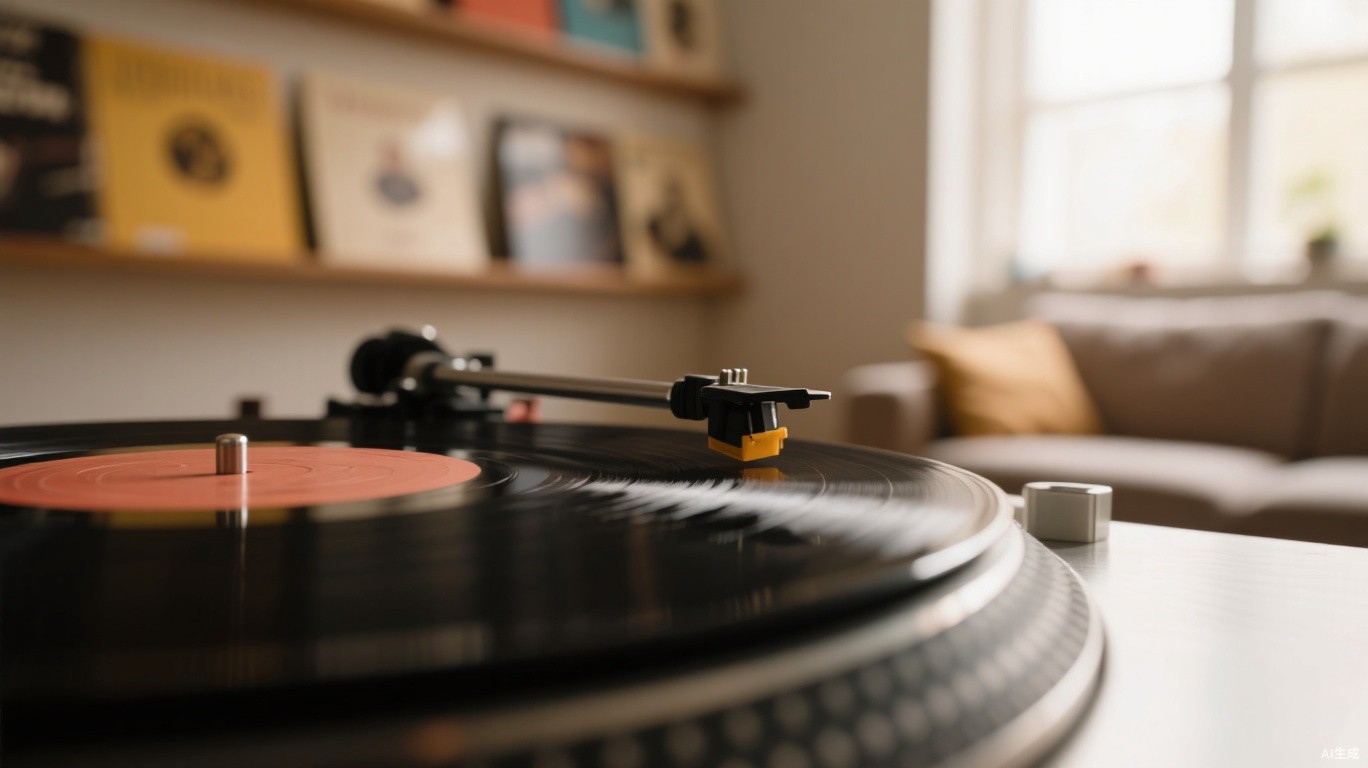
For most of the past two decades, the story of recorded music has been a story of disappearance. Albums dissolved into playlists, liner notes vanished into metadata, and entire catalogs moved into the cloud. Yet one of the oldest formats in the business has quietly become one of its most resilient. Vinyl records, once written off as a nostalgic relic, continue to attract new buyers year after year, many of whom were born long after the compact disc arrived.
A Format That Refused to Disappear
The modern vinyl revival did not begin with a marketing campaign. It grew out of independent record shops, small pressing plants and a generation of listeners who wanted something they could hold. Early on, the audience was mostly collectors and audio enthusiasts. Over time, it widened to include casual fans who might own only a handful of records and a basic turntable.
What makes the trend unusual is that it runs alongside, rather than against, streaming. Many vinyl buyers are also heavy subscribers to streaming services. They use digital platforms to discover music and then buy a physical copy of the albums they care about most. In that sense, the record has shifted from being the primary way people hear music to being a way of committing to it.
Ownership in a Rental Economy
Streaming is, at its core, a rental model. Listeners pay a monthly fee for access, and that access can change as licensing deals shift. Songs disappear, album versions get swapped, and favorite tracks occasionally vanish without warning. A record on a shelf does none of those things.
That sense of permanence carries emotional weight. Buying an album on vinyl is a statement that this music matters enough to take up physical space. For younger buyers in particular, records function as a kind of identity marker, similar to the way posters and band shirts worked for earlier generations.
A record on the shelf is less about how music sounds and more about deciding which music deserves to stay.
The Ritual of Listening
Vinyl also changes how people listen. A record cannot be shuffled easily, and skipping tracks means getting up and moving the needle. Each side typically runs about twenty minutes, which encourages listeners to sit with an album in the order the artist intended.
Fans frequently describe this as a welcome counterweight to the constant scrolling of digital life. Some of the reasons listeners cite for choosing vinyl include:
- The large-format artwork, which turns cover design into something worth studying
- Printed lyrics, credits and inserts that reveal who made the record
- A deliberate listening session rather than background noise
- The social element of browsing shops and trading recommendations
- A tangible gift that feels more personal than a digital code
Whether vinyl actually sounds better than high-quality digital audio remains a lively debate among engineers and enthusiasts. Many listeners, however, say the question misses the point. The appeal is the experience as a whole, not a measurement on a frequency chart.
Why Artists and Labels Care
For musicians, vinyl has become an important part of a difficult financial picture. Streaming payments per play are small, and most artists earn far more from a single record sale than from thousands of streams. Limited pressings, colored variants and tour-only editions give dedicated fans a way to support artists directly.
Labels have responded by reissuing classic catalogs, producing deluxe box sets and timing new releases to physical formats. Independent artists, meanwhile, often sell records at shows and through their own online stores, where margins are better and the relationship with fans is more direct.
The boom has also exposed weaknesses in the supply chain. Pressing plants are limited in number, and much of the equipment is decades old. When demand spikes, wait times for manufacturing can stretch for months, which has pushed some smaller artists to plan releases far in advance. New plants have opened in several countries, but capacity remains a recurring concern across the industry.
Challenges on the Horizon
Vinyl is not without drawbacks. Records are expensive to produce and ship, and retail prices have climbed steadily. For many fans, a new album on vinyl now costs several times the price of a monthly streaming subscription. There are also environmental questions, since traditional records are made from plastics that are difficult to recycle. Some manufacturers are experimenting with alternative materials and more efficient production, though these efforts are still developing.
Another risk is saturation. Special editions and multiple color variants can feel like clever marketing to some collectors and like pressure to others. If the format becomes too closely associated with upselling, it could lose some of the authenticity that drew people to it in the first place.
What the Vinyl Revival Tells Us
The steady growth of vinyl says something larger about how people want to consume culture. Convenience won the format war, but convenience alone has not satisfied listeners. Many still want ownership, ritual and a physical connection to the art they love.
That does not mean records will replace streaming, or even come close. The two now serve different purposes: one is a vast library for discovery, the other a curated collection for devotion. As long as people feel a need to hold on to the music that shaped them, the record player is likely to keep spinning in living rooms around the world.