A decade ago, many people had never heard of pickleball. Today, the distinctive pop of a plastic ball against a paddle echoes through public parks, school gyms, retirement communities and converted tennis courts. The sport has moved from a quirky backyard pastime to a mainstream activity played by people of almost every age. Its rapid rise offers a revealing look at what modern players want from recreation.
A Simple Game With a Low Barrier to Entry
Pickleball combines elements of tennis, badminton and table tennis. It is played on a court roughly the size of a badminton court, with a net slightly lower than in tennis. Players use solid paddles and a lightweight perforated ball that moves more slowly than a tennis ball.
That slower pace is central to the sport’s appeal. Beginners can usually sustain rallies within their first session, which makes the game rewarding from the start. In many other racket sports, new players spend weeks chasing balls and struggling with technique before they experience the fun of a real point.
The equipment is also affordable. A basic paddle and a few balls cost far less than gear for many other sports, and public courts are often free to use. Many communities lend equipment at recreation centers, allowing people to try the game before investing anything at all.
Built for Socializing
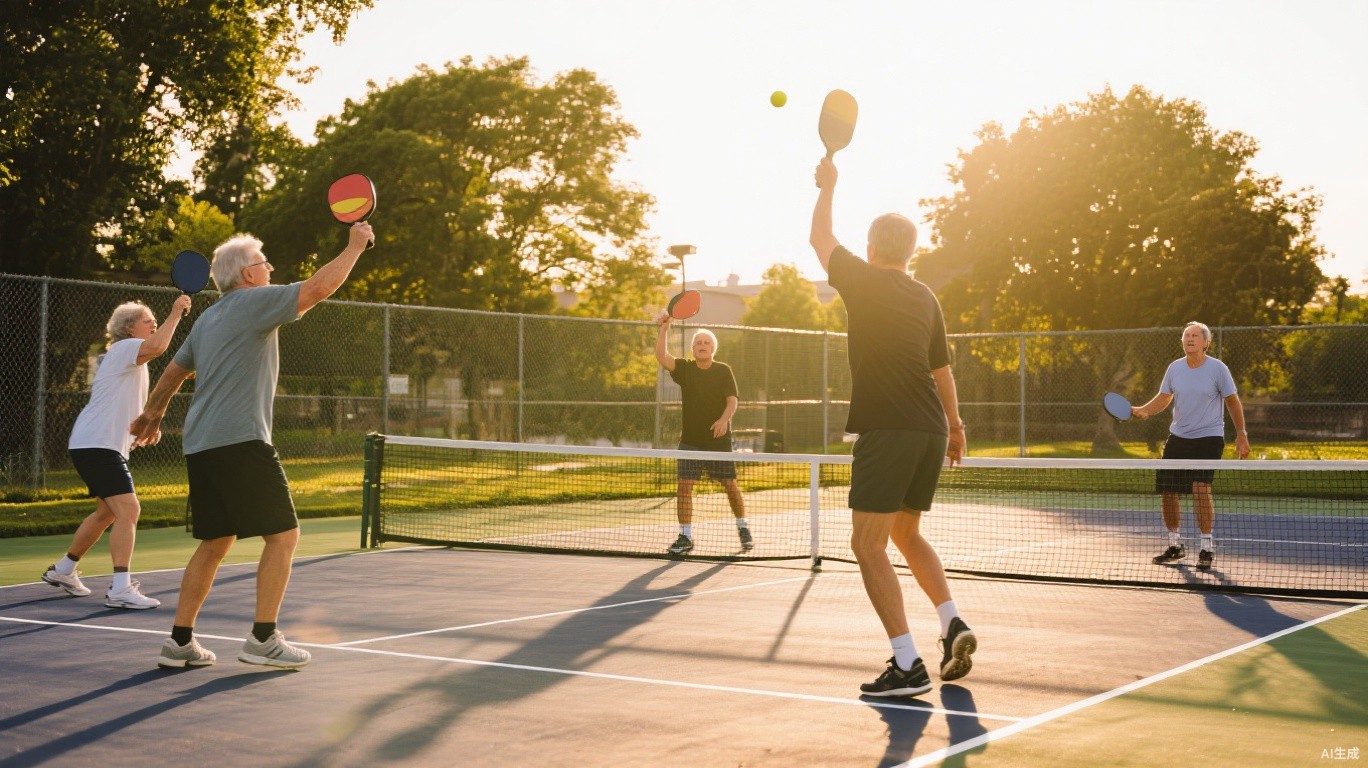
Pickleball is most commonly played as doubles, with four players sharing a compact court. The small space keeps players close together, making conversation easy between points. Many courts use open play systems in which players rotate in and out, so newcomers can show up alone and quickly join a game.
Pickleball succeeds because it treats the court less like an arena and more like a meeting place.
For many players, this social element is just as important as the exercise. Groups form around regular weekly sessions, and friendships grow from shared games. For older adults in particular, the sport offers a valuable source of community and routine.
A Sport for Many Generations
One of pickleball’s most notable strengths is its ability to bring together players of different ages and fitness levels. Grandparents can play with grandchildren, and recreational players can enjoy competitive games without elite athleticism. Strategy, placement and patience often matter as much as speed and power.
Reasons players commonly cite for choosing pickleball include:
- Quick learning curve and early success for beginners
- Moderate physical demands that still provide a real workout
- Inexpensive equipment and widely available public courts
- Easy social mixing through open play and rotating partners
- Room to grow, from casual games to organized leagues and tournaments
As players improve, the game reveals more depth. Advanced play involves soft shots near the net, sharp angles and quick exchanges, which keeps experienced players engaged long after the basics are mastered.
Growing Pains in Shared Spaces
Rapid growth has created real challenges. Court availability has not always kept up with demand, leading to long waits during peak hours. In some areas, tension has emerged between pickleball and tennis players over how shared courts should be divided or converted.
Noise has become another point of friction. The sharp sound of the ball can carry, and residents living near busy courts have raised complaints in some communities. Local governments and facility managers have responded with scheduling limits, quieter equipment options, sound barriers and new dedicated courts located away from homes.
Safety is also worth considering, especially for new players. Like any sport involving quick movement, pickleball carries a risk of injury. Common issues include ankle sprains, muscle strains and falls when players back up quickly for a high ball. Sensible precautions include:
- Warming up with light movement and stretching before play
- Wearing court shoes with good lateral support
- Avoiding backpedaling and turning to move toward deep shots
- Staying hydrated and taking breaks during long sessions
- Building playing time gradually rather than starting with daily marathons
From Recreation to Industry
As participation has grown, so has the business surrounding the sport. Dedicated indoor facilities, coaching programs, organized leagues and equipment brands have multiplied. Some venues pair courts with restaurants or social lounges, positioning pickleball as entertainment as much as exercise. Professional competition has also attracted broadcast attention and investment, though recreational play remains the heart of the sport.
What Pickleball’s Rise Tells Us
The story of pickleball is ultimately about accessibility. The sport offers exercise without intimidation, competition without exclusion and community without formal membership. Those qualities match what many people are looking for as they seek ways to stay active and connected.
Whether the current pace of growth continues or levels off, pickleball has already secured a lasting place in recreational life. Communities that plan thoughtfully for courts, scheduling and shared use will be best positioned to keep the game welcoming for the next wave of players stepping onto the court for the first time.