
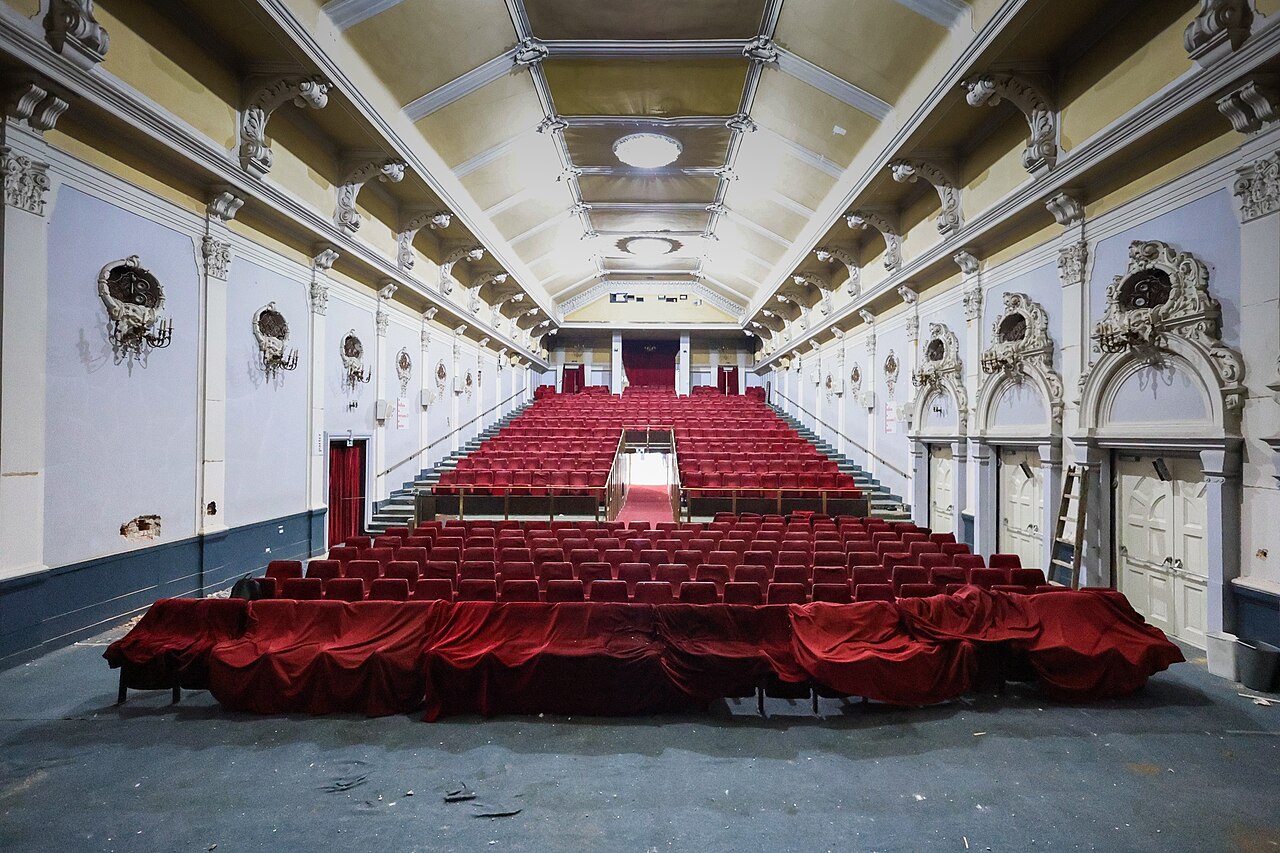
Not long ago, many observers assumed the movie theater was headed the way of the video rental store. Home screens grew larger, streaming libraries grew deeper, and release windows shrank. Yet cinemas have proven more durable than expected. By rethinking what a night at the movies offers, theaters are making a case that some stories are still best experienced in the dark, surrounded by strangers.
From Default Option to Deliberate Outing
For much of the twentieth century, going to the movies was simply what people did on a weekend. It was the main way to see new films, and there were few alternatives. That is no longer true. Today, audiences can wait a few weeks and watch many releases from the couch.
This change has forced theaters to compete on experience rather than access. Moviegoing has become a deliberate choice, closer to attending a concert or a sporting event than running a routine errand. Audiences now ask a simple question before buying a ticket: is this worth leaving the house for?
Upgrading the Seat and the Screen
Many cinemas have answered that question with physical upgrades. Reclining seats, reserved seating, improved sound systems and premium large-format screens have spread widely. These investments are expensive, but they create something a living room cannot easily match.
Theater operators have also reconsidered food and drink. Some locations now offer full menus, in-seat service or lounges designed for spending time before and after a screening. The goal is to turn a two-hour film into a complete evening.
Common upgrades audiences now expect include:
- Comfortable reserved seating booked in advance
- Premium screens and immersive sound for large-scale releases
- Expanded food and beverage options beyond traditional concessions
- Cleaner, quieter auditoriums with clear policies on phone use
- Flexible pricing, such as discount days and membership programs
The Power of the Event
The films that consistently fill theaters tend to share a quality: they feel like events. Large-scale spectacles, highly anticipated franchise entries and visually ambitious productions draw crowds because the big screen genuinely changes how they play.
But events are not limited to blockbusters. Theaters have discovered that anniversary re-releases, fan screenings, live broadcasts of stage performances and themed marathons attract loyal audiences. Horror films, in particular, benefit from the shared reactions of a crowd, where a collective gasp becomes part of the entertainment.
The value of a theater is not just the size of the screen but the feeling of a room full of people reacting at the same moment.
Community Cinemas and Independent Screens
Beyond large chains, independent and community cinemas have carved out a meaningful niche. These venues often program a mix of new releases, international films, documentaries and classics. Many host discussions, local film festivals and educational screenings.
Their strength lies in curation and identity. A neighborhood theater with a distinctive program becomes a cultural hub, the kind of place people visit even when they are not sure what is playing. Membership models, volunteer support and local partnerships help these venues survive in a market where margins are thin.
Independent cinemas also serve as an entry point for films that might otherwise be lost in the flood of streaming content. A curated screening, accompanied by an introduction or a conversation afterward, gives smaller works a chance to find an audience.
Lingering Challenges
The recovery of theatrical moviegoing is real, but it is uneven. Attendance often depends heavily on a small number of major releases, leaving quieter months difficult for operators. When production schedules slip, theaters feel the impact directly.
Ticket prices are another concern. Premium formats and dining options raise revenue, but they also raise the cost of a night out, especially for families. Theaters must balance the push toward luxury with the need to remain accessible to younger and budget-conscious audiences, who represent the future of the business.
There is also the ongoing question of release windows. When films arrive on streaming platforms soon after their theatrical debut, some viewers choose to wait. Studios and exhibitors continue to negotiate the right balance between theatrical exclusivity and home viewing.
What Comes Next for the Big Screen
The movie theater is unlikely to return to the dominance it once held, and it may not need to. Its future appears to rest on being special rather than universal. Cinemas that offer comfort, strong programming and a sense of occasion are giving audiences reasons to show up.
For moviegoers, this is largely good news. The modern theater experience is more varied than ever, ranging from premium auditoriums built for spectacle to intimate neighborhood screens built for discovery. As long as people value shared stories told on a grand scale, there will be a place for the darkened room, the glowing screen and the hush that falls just before the film begins.