
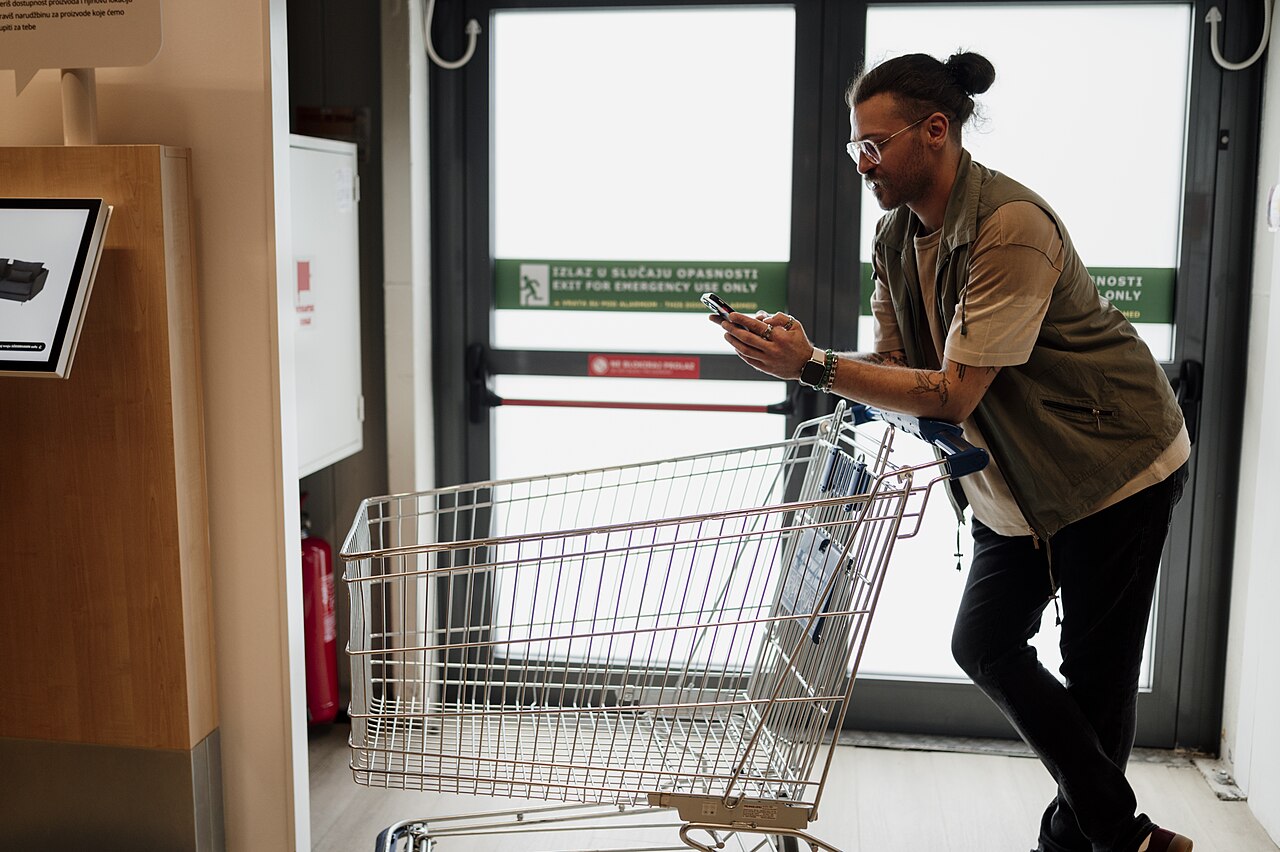
Star ratings have become the closest thing online shopping has to a handshake. Before most people buy anything from a phone charger to a sofa, they skim the reviews, glance at the average score, and decide in seconds. That habit is exactly why fake and manipulated reviews remain such a persistent problem, and why learning to read reviews critically is one of the most valuable shopping skills you can build.
Why Fake Reviews Still Work
Reviews persuade because they feel like advice from peers rather than marketing. A glowing paragraph from someone who seems ordinary carries more weight than any product description written by the seller. Unfortunately, that trust is easy to exploit. Some sellers pay for positive reviews, offer free products in exchange for five stars, or recruit friends and family to pad their listings. Others go further and post negative reviews on competitors’ pages.
Platforms and regulators in many countries have stepped up enforcement, and outright fabricated reviews now carry legal risk in several markets. Even so, manipulation has grown more subtle. Instead of obviously fake gushing, you may encounter reviews that are technically real but incentivized, reviews moved from an older product onto a new listing, or a flood of short ratings designed to bury a handful of honest complaints.
The Warning Signs to Look For
No single clue proves that a review is fake, but patterns are revealing. When several of the following signals appear together, it is worth slowing down:
- Clusters of reviews posted within a few days, especially soon after a product launches, followed by long quiet stretches.
- Vague, overly enthusiastic language such as “best purchase ever” or “life-changing” with no detail about how the product was actually used.
- Repeated phrases across different reviewers, which can indicate a script or template.
- Reviews that describe a different product, a sign that ratings may have been merged from an unrelated listing.
- A rating distribution shaped like a “J”, with mostly five-star scores, a noticeable group of one-star complaints, and very little in between.
- Reviewer profiles with little history or a history consisting entirely of five-star ratings for obscure brands.
Pay attention to what is missing as well. Genuine owners tend to mention small frustrations, compare the item with something they owned before, or describe how it held up after several weeks. Fake reviews rarely include that kind of texture.
Read the Middle, Not the Extremes
One of the most practical habits is to skip the five-star and one-star reviews at first and go straight to the three- and four-star ratings. These reviewers usually liked the product enough to keep it but are candid about its flaws. They often explain trade-offs in a way that helps you decide whether those flaws matter to you.
The most useful review is rarely the most enthusiastic one. It is the one that tells you exactly what went wrong and whether the writer would buy again anyway.
Sorting by “most recent” is equally important. A product can change suppliers or materials over time, and older praise may not reflect what is shipping today. If recent reviews mention a sudden drop in quality, a different color than pictured, or packaging that looks unfamiliar, treat those comments as more relevant than a high lifetime average.
Photos and videos submitted by customers can also help, since they are harder to fake at scale. Look for images taken in ordinary homes rather than polished studio shots, and compare them with the seller’s own photographs.
Look Beyond a Single Platform
Relying on one retailer’s review section gives sellers a single place to manipulate. Cross-checking takes only a few extra minutes and dramatically improves your odds of making a good decision. Consider these steps:
- Search for the product name together with words like “problem,” “return,” or “broke” to surface complaints that may have been buried.
- Check independent forums and discussion communities where hobbyists and long-term owners compare notes.
- Read professional reviews from outlets that explain their testing methods, while noting whether they disclose commercial relationships.
- Look up the brand itself. A company with no history, no physical address, and a website registered recently deserves extra caution.
If the product is expensive or safety-related, such as a car seat, an electrical appliance, or a supplement, the bar should be higher still. Look for recognized safety certifications described on the packaging and in the listing, and be wary of products that make health claims that sound too good to be true.
When You Suspect Manipulation
If you notice reviews that appear fraudulent, most major platforms provide a way to report them. Reporting helps other shoppers and gives moderators the data they need to spot coordinated activity. Be cautious, too, of any seller who contacts you after a purchase offering a refund, gift card, or free item in exchange for changing or removing a negative review. That practice is prohibited on many platforms and is a strong indication that the listing’s other ratings may not be trustworthy.
Leaving honest, detailed reviews of your own is another quiet way to improve the system. Describe how long you have used the item, what you expected, and what surprised you. Specifics help future buyers far more than a bare star rating.
The Bottom Line
Online reviews remain a useful tool, but they work best as one input among several rather than a final verdict. Treat suspiciously uniform praise with skepticism, give extra weight to balanced and recent feedback, and confirm what you read with at least one independent source. A few minutes of careful reading can save you the time, money, and frustration of returning a product that never lived up to its five-star promise.