Winter places unusual demands on vehicles and drivers alike. Cold temperatures strain batteries, snow and ice reduce traction, and shorter days limit visibility. The best time to prepare is before the first serious storm, when service appointments are easier to book and there is no pressure to make rushed decisions. This checklist covers the essentials.
Start With the Tires
Tires matter more in winter than in any other season. Cold weather lowers tire pressure, and reduced traction on snow and ice leaves little margin for worn tread.
- Check tread depth. Tires with shallow tread struggle to grip slushy or snowy roads. If tread is noticeably worn, consider replacing tires before winter.
- Consider winter tires. In regions with regular snow and ice, dedicated winter tires use softer rubber compounds and tread designs that maintain grip in cold conditions. All-season tires are a compromise and may be less effective in harsh winters.
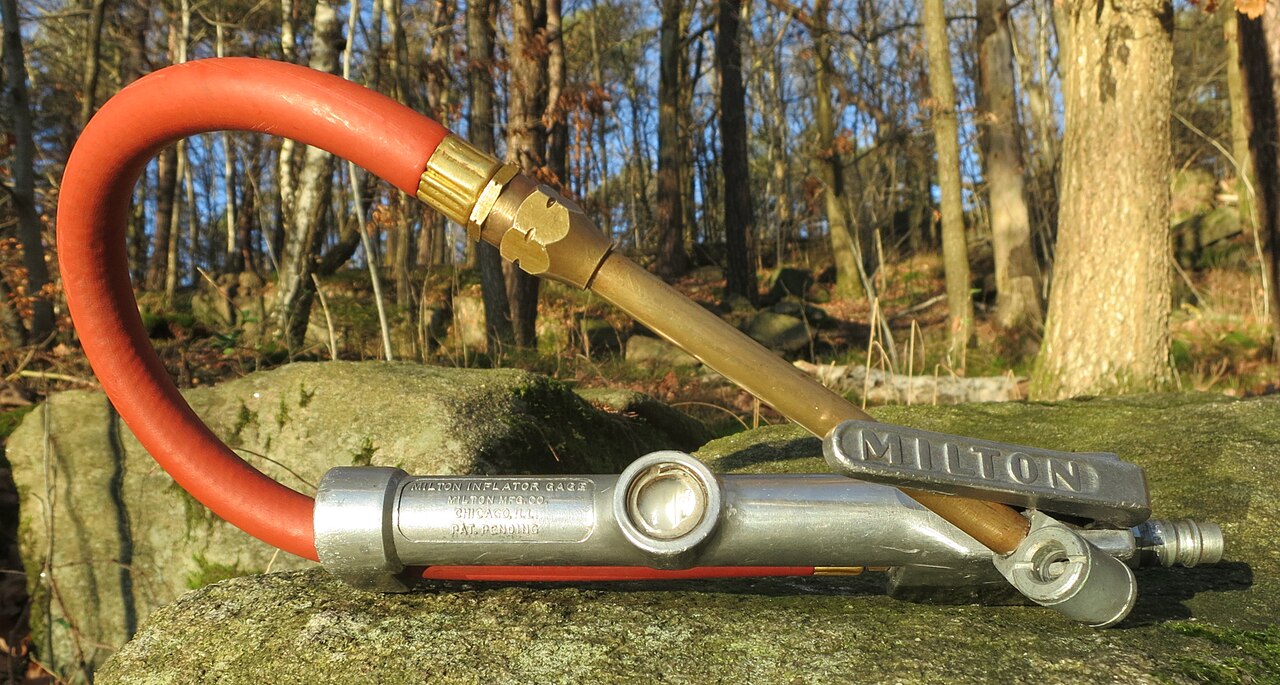
- Monitor pressure. Tire pressure drops as temperatures fall. Check it regularly and adjust to the vehicle manufacturer’s recommended level.
Some regions have rules about winter tires or the use of chains on certain roads. Checking local requirements before traveling into mountain areas is a good habit.
Test the Battery and Electrical System
Cold weather is hard on batteries. Chemical reactions inside a conventional battery slow in low temperatures, reducing available power just when the engine needs more to start. A battery that seemed fine in autumn may fail on the first frigid morning.
Many auto parts stores and service centers offer battery testing. If a battery is several years old or shows signs of weakness, such as slow cranking, replacing it before winter can prevent a stranded morning. Also inspect battery terminals for corrosion and ensure connections are secure.
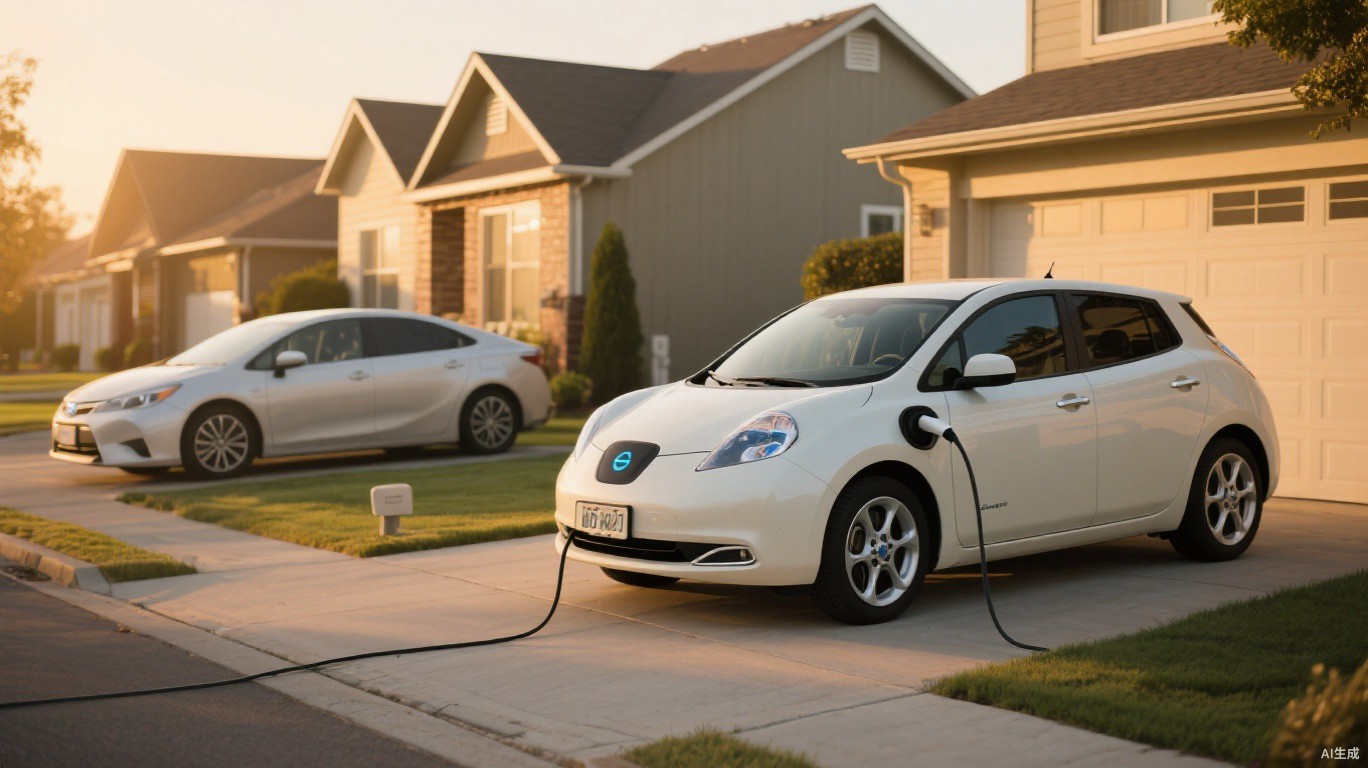
Owners of electric vehicles face different considerations. Cold reduces range and can slow charging. Preconditioning the cabin and battery while plugged in, parking in a garage when possible and planning for reduced range can help.
Winter preparation is cheapest and easiest in the fall. The middle of a snowstorm is the most expensive time to discover a weak battery.
Ensure Clear Visibility
Seeing and being seen are critical in winter conditions. Before the season starts, review the following:
- Wiper blades: Replace blades that streak, chatter or leave gaps. Winter-specific blades resist ice buildup.
- Washer fluid: Fill the reservoir with a winter-rated fluid that will not freeze, and carry a spare container.
- Defrosters: Confirm front and rear defrosters work properly.
- Lights: Check headlights, taillights, brake lights and turn signals. Clean hazy headlight lenses or have them restored.
- Windows and mirrors: Clean the inside of the windshield to reduce fogging and glare.
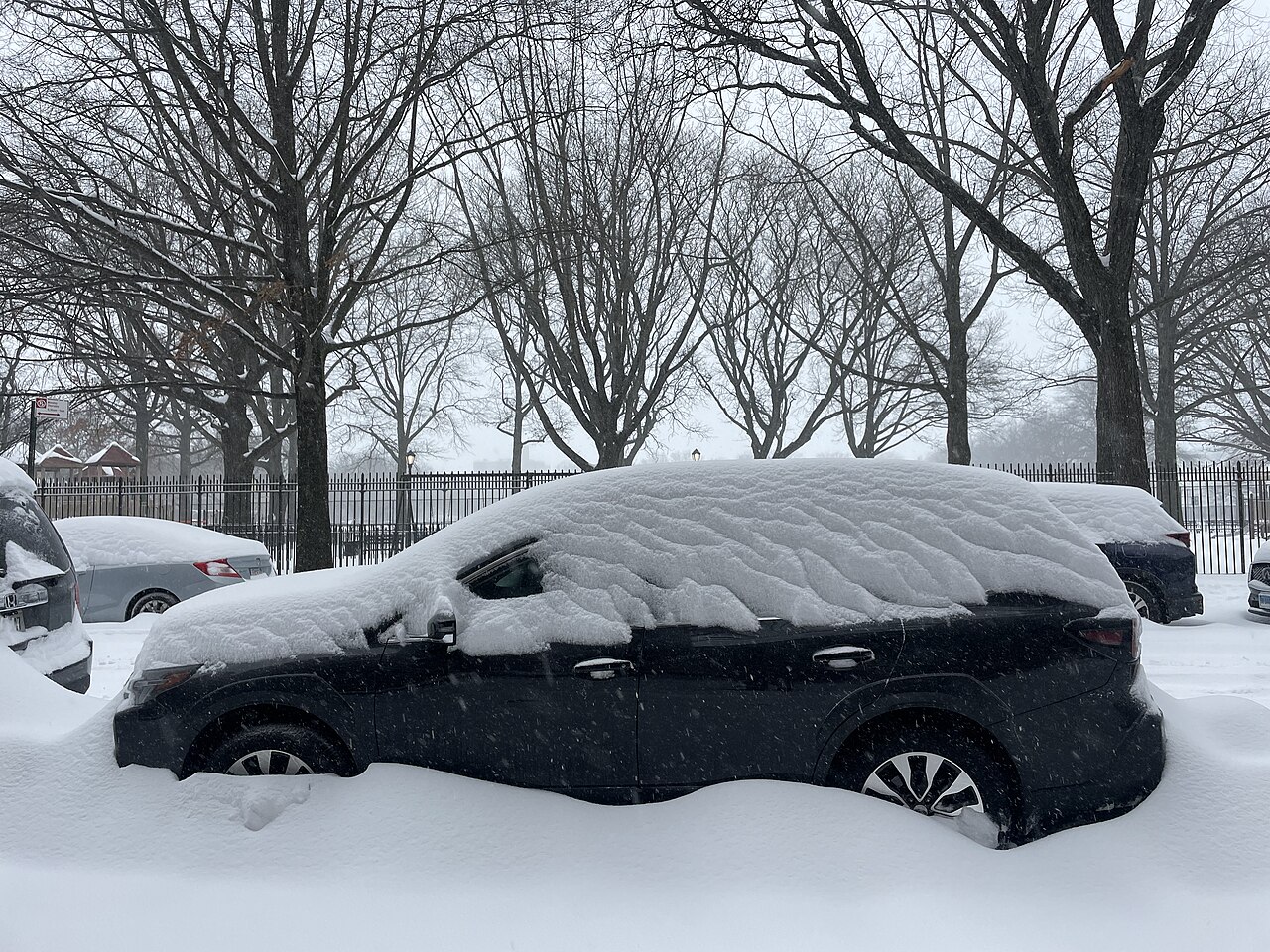
Always clear snow and ice from the entire vehicle before driving, including the roof, hood, lights and mirrors. Snow sliding off a roof can block your view or strike other vehicles.
Check Fluids and Mechanical Basics
Several fluids and systems deserve attention before cold weather arrives. Coolant, sometimes called antifreeze, protects the engine from freezing and overheating; a technician can test whether it provides adequate protection for local temperatures. Engine oil should be changed according to the manufacturer’s schedule, using the grade specified for your vehicle.
Brakes should be inspected for wear, since slippery roads require reliable stopping power. The heating system should be functioning well, both for comfort and for keeping windows clear. Finally, check that the exhaust system has no leaks, and never let a vehicle idle in an enclosed space such as a closed garage.
Pack a Winter Emergency Kit
Even well-prepared drivers can be delayed by storms, accidents or road closures. A basic emergency kit can make an uncomfortable situation far safer. Consider including:
- Ice scraper and snow brush.
- Small shovel.
- Blankets, gloves, hats and extra warm clothing.
- Flashlight with spare batteries.
- Jumper cables or a portable jump starter.
- Phone charger or power bank.
- Bottled water and nonperishable snacks.
- Sand, cat litter or traction mats for getting unstuck.
- First-aid kit.
- Reflective warning triangles or flares.
Keep the fuel tank at least half full during winter. This provides a reserve if you are stranded and helps prevent moisture-related fuel line issues.
Adjust Your Driving Habits
Preparation also applies to the driver. In winter conditions, increase following distances significantly, accelerate and brake gently, and reduce speed, particularly on bridges, overpasses and shaded areas where ice tends to form first. Avoid using cruise control on slippery roads.
Check weather and road conditions before departing, and let someone know your route and expected arrival time for longer trips. If conditions are severe, the safest choice is often to delay travel.
Final Thoughts
Winter driving is manageable with the right preparation. A few hours spent checking tires, batteries, visibility and fluids, along with a well-stocked emergency kit, can prevent most cold-weather problems. Combine that with cautious, patient driving, and the season becomes far less daunting.