For most of automotive history, a car’s capabilities were largely fixed the day it left the factory. That model is changing. Many new vehicles are now described as “software-defined,” meaning that key functions are controlled by centralized computers and can be updated, adjusted or expanded long after purchase. For owners, this shift brings genuine benefits, along with new questions about cost, privacy and long-term support.
What the Term Actually Means
A software-defined vehicle is one in which software, rather than individual hardware components, determines much of how the car behaves. Traditionally, vehicles contained dozens of separate electronic control units, each responsible for a specific function such as engine management, braking or the infotainment system. These units often came from different suppliers and were difficult to update.
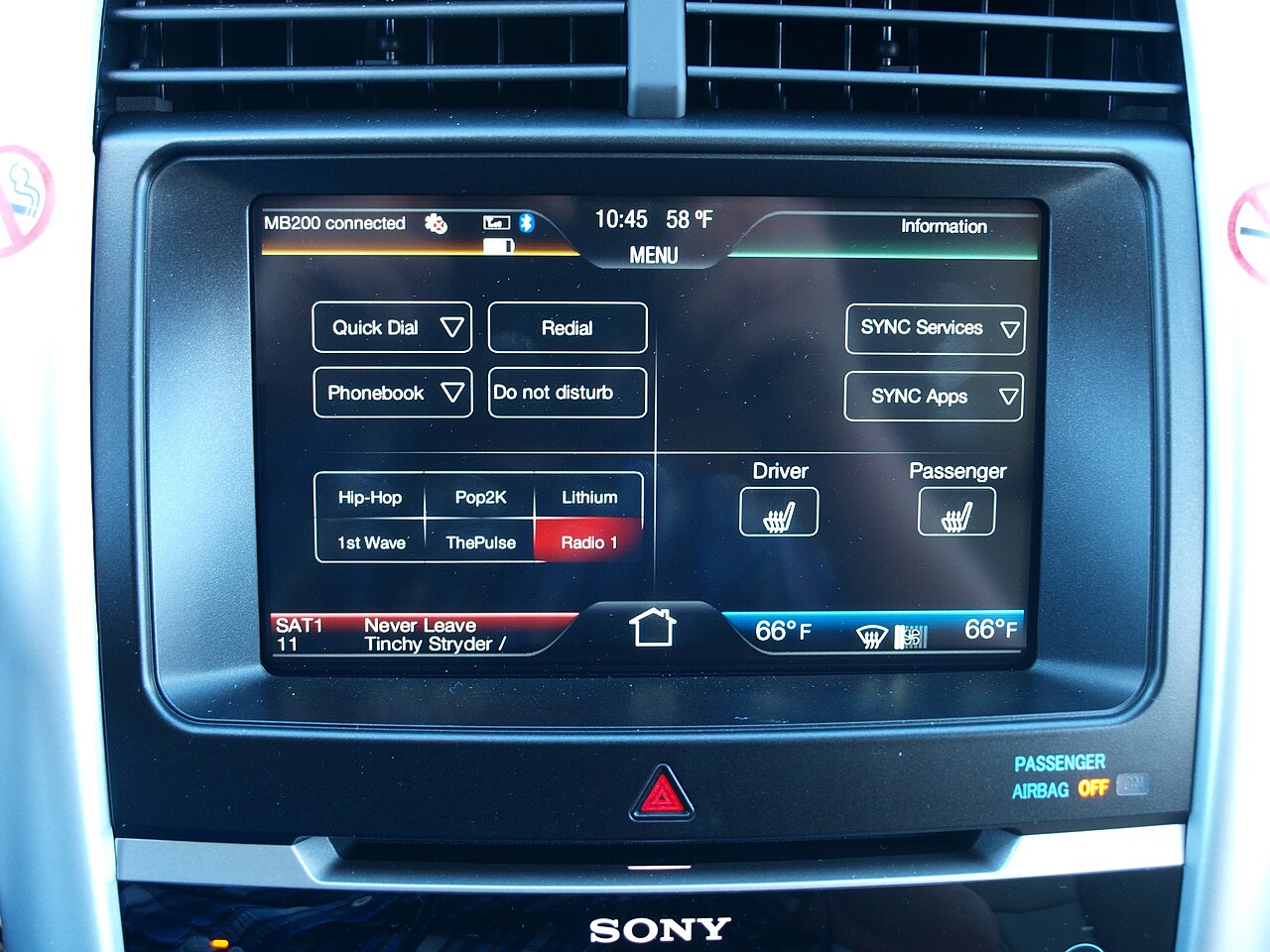
Newer designs consolidate many functions into a smaller number of powerful central computers. This architecture makes it possible to manage features through software, much like a smartphone. Updates can be delivered wirelessly, and new capabilities can sometimes be added without any physical changes to the car.
Over-the-Air Updates
The most visible benefit for owners is over-the-air updates. Instead of visiting a dealership, drivers can receive software improvements through a cellular or Wi-Fi connection. These updates might:
- Fix software bugs or address certain recall-related issues.
- Improve infotainment performance and navigation.
- Refine driver-assistance features.
- Adjust battery management or energy efficiency in electrified vehicles.
- Add new apps, interface designs or convenience functions.
For owners, this can mean a vehicle that improves over time instead of steadily becoming outdated. It can also reduce trips to the service center for software-only fixes.
Updates are not without trade-offs. Some require the vehicle to be parked and unavailable for a period while installation completes. Occasionally, updates change familiar features or menus in ways drivers do not welcome. Reading update notes and scheduling installations at convenient times, such as overnight, can help.
In a software-defined car, the version number on the screen may matter almost as much as the model year on the title.
Features on Demand and Subscriptions
One of the most debated aspects of software-defined vehicles is the ability to sell features after purchase. Because functions are controlled by software, automakers can offer certain capabilities as optional upgrades or subscriptions. Examples across the industry have included enhanced navigation, connected services, remote start and advanced driver-assistance functions.
Supporters argue this approach gives buyers flexibility, allowing them to add features only when needed. Critics worry it could lead to paying repeatedly for functions that rely on hardware already built into the car. Consumer reaction has been mixed, and practices vary considerably between manufacturers.
For buyers, the practical advice is to ask clear questions before signing:
- Which features are included permanently with the purchase?
- Which features require a subscription, and what happens when it ends?
- Do subscriptions transfer to a new owner if the car is sold?
- Is a data connection required, and is it included or extra?
Understanding the answers helps avoid unexpected ongoing costs.
Data, Connectivity and Privacy
Connected vehicles generate significant amounts of data, including location, driving behavior and vehicle diagnostics. This data can support useful services, such as remote diagnostics, emergency assistance and maintenance reminders. It can also raise privacy concerns about how information is collected, stored and shared.
Owners should review the privacy settings in the vehicle and any associated mobile app. Many systems allow drivers to limit certain types of data sharing, though some data collection may be necessary for core services. Reading the privacy policy is not exciting, but it is the best way to understand what is being collected and why.
Cybersecurity is another consideration. As vehicles become more connected, protecting them from unauthorized access becomes more important. Installing official updates promptly, using strong passwords for connected apps and being cautious with third-party devices plugged into the vehicle are sensible precautions.
Long-Term Ownership and Resale
Software-defined vehicles change how owners should think about longevity. Hardware such as processors and cellular modems may eventually become outdated, and software support will not last indefinitely. Older connected cars have, in some cases, lost certain features when cellular networks they relied on were phased out.
When buying, it is worth asking how long the manufacturer intends to support software updates. In the used market, buyers should check whether the vehicle’s software is current and which features will remain active after transfer of ownership.
Repair is evolving too. Diagnosing and fixing software-heavy vehicles can require specialized tools and access to manufacturer systems. Debates over the right to repair continue in many regions, and the outcome may affect where and how owners can service their vehicles in the future.
Bottom Line for Owners
Software-defined vehicles offer real advantages: ongoing improvements, fewer service visits and the potential for features that evolve with the owner’s needs. They also introduce new considerations around subscriptions, privacy and long-term support. Approaching a purchase with informed questions, rather than focusing only on horsepower or screen size, will help owners make the most of this new generation of cars.