A used car can be one of the smartest purchases a household makes, offering reliable transportation at a fraction of the cost of a new vehicle. It can also become an expensive mistake if hidden problems surface after the sale. A careful, methodical inspection is the best defense. This checklist walks through what to examine, from paperwork to the test drive.
Start With the Paperwork
Before looking at the car itself, review the documents. A vehicle history report, available from commercial services using the vehicle identification number (VIN), can reveal reported accidents, title issues, odometer discrepancies and past ownership. It will not catch everything, but it can flag serious concerns early.
Confirm that the VIN on the paperwork matches the VIN on the vehicle, typically found on the dashboard near the windshield and on the driver’s door jamb. Ask for maintenance records. A seller who can show regular oil changes and service visits is offering valuable evidence of care.
Also check whether the car has any open recalls. Many government transportation agencies offer free online recall lookups by VIN.
Inspect the Exterior
Walk around the car slowly in good daylight. Look for:
- Mismatched paint or uneven panel gaps, which may indicate past bodywork.
- Rust, particularly around wheel wells, door bottoms, the trunk lid and underneath the vehicle.
- Dents, scratches and chips that may affect price negotiations.
- Cracked or pitted glass, especially the windshield.
- Condition of lights and lenses, including signs of moisture inside.
Kneel down and look underneath with a flashlight. Signs of fluid leaks, heavy corrosion or damage to the underbody deserve closer attention.
Check Tires and Brakes
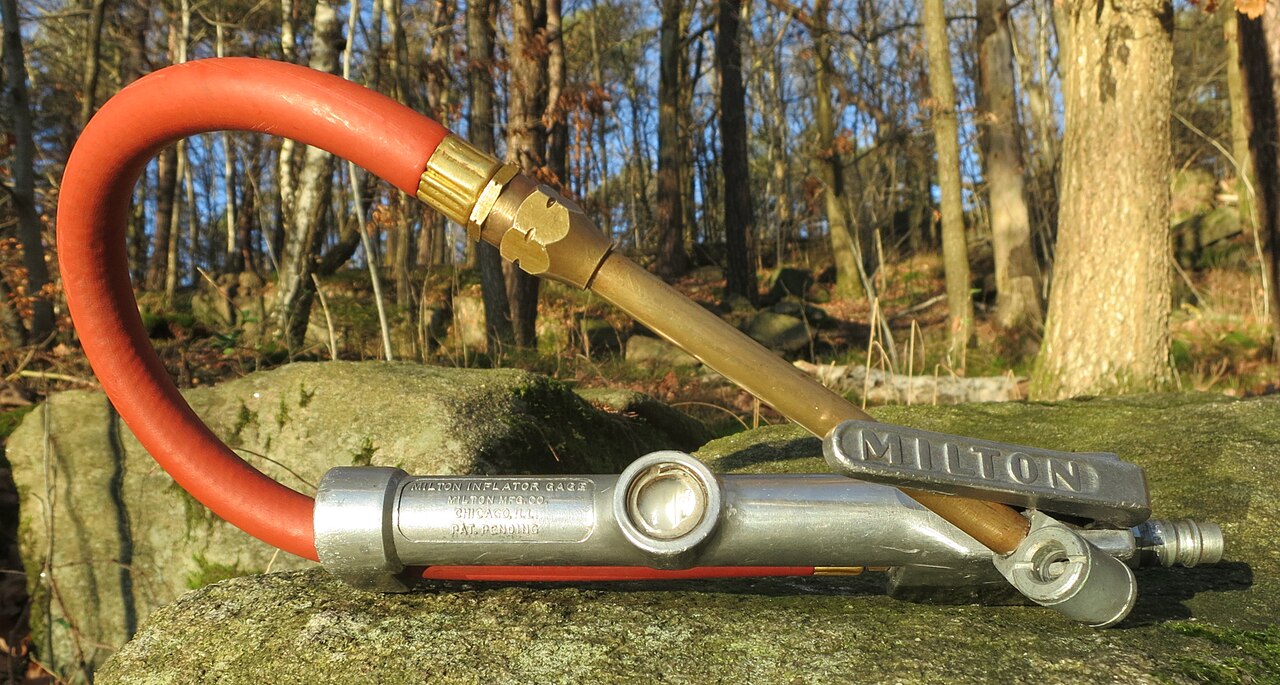
Tires tell a story about how a car has been maintained. Uneven wear can indicate alignment or suspension problems. Check tread depth and look for cracks or bulges in the sidewalls. Mismatched tire brands on the same axle are not necessarily a problem, but they may suggest piecemeal maintenance.
Look through the wheel spokes at the brake rotors. Deep grooves or a pronounced lip around the edge may mean brake service is due soon.
A clean car on a sunny lot can hide a lot. The flashlight, the test drive and an independent mechanic are what reveal the truth.
Look Under the Hood
You do not need to be a mechanic to spot obvious warning signs. With the engine off and cool, open the hood and examine:
- Engine oil: Pull the dipstick. Oil should be at the correct level and not sludgy or milky.
- Coolant: Check the reservoir level and look for discoloration or residue.
- Belts and hoses: Look for cracks, fraying or soft, swollen hoses.
- Battery: Check for corrosion on terminals and look for a date label.
- Leaks: Look for wet spots, stains or residue around the engine and on the ground beneath the car.
An engine bay that is spotless on an older car is not necessarily a red flag, but it is worth asking why it was cleaned.
Examine the Interior
The interior reveals how the car was used. Excessive wear on the steering wheel, pedals or driver’s seat may be inconsistent with a low odometer reading. Check that all seats adjust properly and that seat belts latch and retract smoothly.
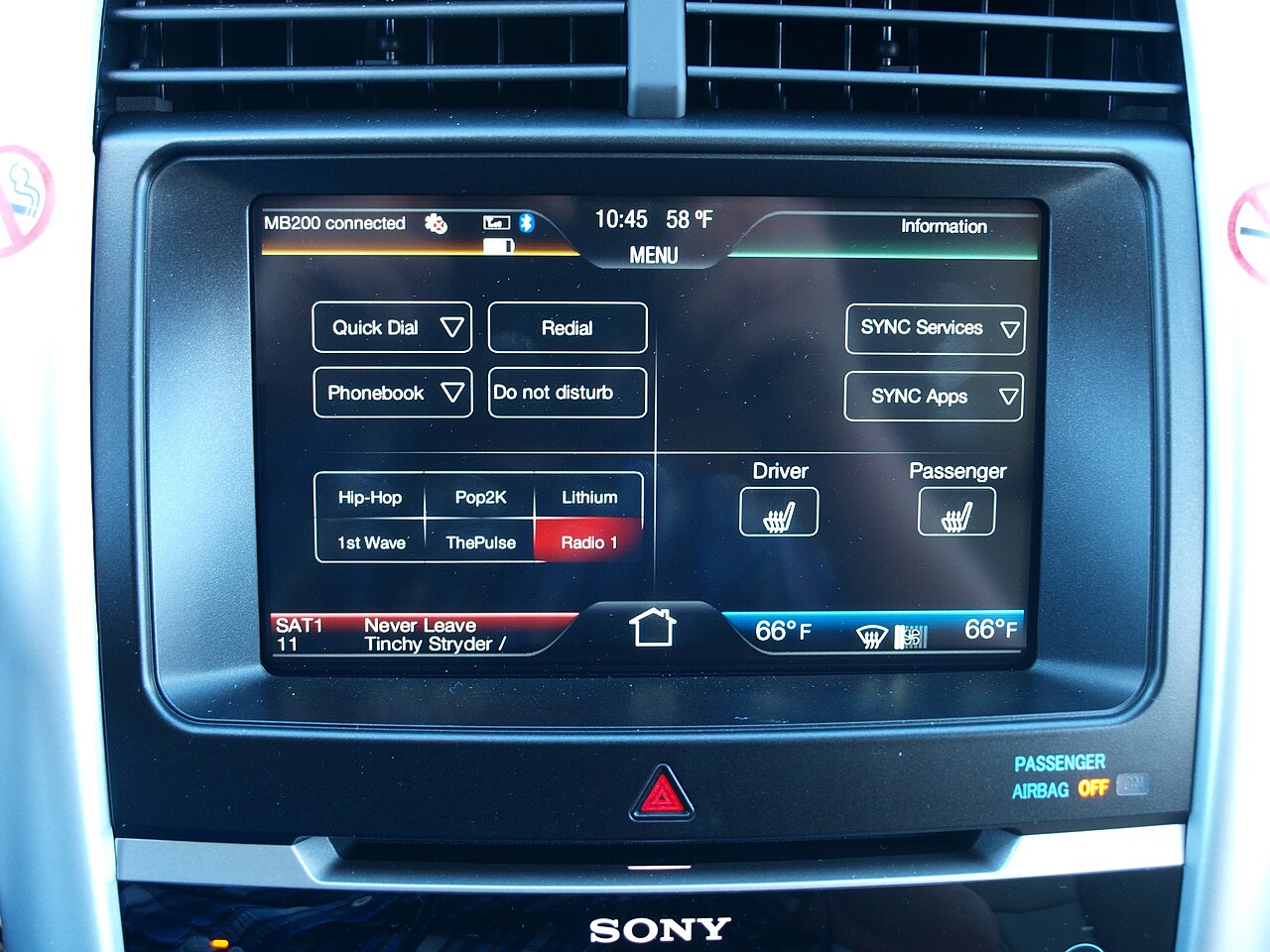
Test every feature you can: power windows, locks, mirrors, climate control, infotainment, lights and wipers. Turn the ignition to the on position before starting the engine and confirm that dashboard warning lights illuminate briefly and then turn off once the engine runs. A warning light that never appears could indicate a bulb has been removed to hide a problem.
Smell matters too. A musty odor or damp carpets may indicate water leaks or past flood damage, which can lead to electrical and corrosion problems.
Take a Thorough Test Drive
A test drive should last long enough to cover different conditions, ideally including city streets, a highway and some rough pavement. Start the engine cold if possible, as some issues only appear before the engine warms up.
During the drive, pay attention to:
- Smooth starting and idling.
- Responsive acceleration without hesitation.
- Smooth, timely gear changes.
- Straight tracking without pulling to one side.
- Firm, quiet braking without vibration.
- Unusual noises such as knocking, grinding or whining.
After the drive, park and check again for leaks or unusual smells.
Get an Independent Inspection
Even a careful personal inspection cannot match the expertise of a qualified mechanic. A pre-purchase inspection by an independent shop, one not affiliated with the seller, is one of the best investments a used car buyer can make. Mechanics can lift the vehicle, scan for stored diagnostic codes and assess components that are difficult to inspect otherwise.
A seller who refuses to allow an independent inspection is giving you useful information. In most cases, it is a reason to walk away.
The Final Word
Buying a used car requires patience and attention to detail. Review the paperwork, inspect the car methodically, take a thorough test drive and invest in an independent inspection. Use any issues you find as negotiating points, and never feel pressured to buy on the spot. The right car will still be there after you have done your homework, and if it is not, another one will be.