Summer in Europe has a powerful pull: long evenings, school holidays, and the promise of sunshine. It also brings packed museums, crowded old towns, heat waves in the south, and accommodation that can be difficult to book. Increasingly, experienced travelers are shifting their trips to the shoulder seasons of spring and autumn, when the continent is calmer, more comfortable, and often more rewarding to explore.
What Counts as Shoulder Season
Shoulder season refers to the periods between a destination’s peak and off-peak months. In much of Europe, that loosely means April to early June and September to October, although the exact window varies by region. Mediterranean destinations may stay warm well into October, while northern countries and mountain regions cool down sooner.
It is worth noting that major holidays can create peaks within the shoulder months. Easter, national holidays, long weekends, and large festivals or trade fairs can fill hotels and transport quickly. Checking local calendars before booking helps avoid an unexpectedly busy week.
The Advantages of Going Off-Peak
The most obvious benefit is fewer crowds. Popular cathedrals, galleries, and viewpoints are easier to enjoy when lines are shorter and streets are less congested. Many travelers find that a city’s character comes through more clearly when residents outnumber visitors.
Other advantages include:
- More comfortable weather for walking and sightseeing, especially in southern Europe, where midsummer temperatures can be oppressive.
- Greater accommodation choice, with more availability and often lower rates than in peak months.
- Easier reservations at popular restaurants and attractions.
- Seasonal highlights, such as spring blossoms, autumn harvests, grape picking, and food festivals.
- A gentler footprint, since spreading visits across the year eases pressure on destinations that struggle with summer overcrowding.
Shoulder season is not a compromise. In many places it is when a destination feels most like itself.
What to Expect and Plan Around
Traveling outside summer does involve some trade-offs. Days are shorter, particularly in October, so sightseeing plans should account for earlier sunsets. Weather is less predictable, and a sunny week can easily be followed by several days of rain.
Some seasonal businesses also operate on reduced schedules. Beach clubs, island ferries, mountain lifts, and certain hiking huts may run fewer services or close entirely in early spring and late autumn. Coastal resorts that thrive in summer can feel very quiet, which some travelers enjoy and others find a little empty.
A few planning steps help manage these trade-offs:
- Check ferry, bus, and cable car timetables for your specific travel dates, since they often change at the start or end of the season.
- Confirm opening hours for attractions, which may be shorter outside summer.
- Pack layers and a waterproof jacket, regardless of the forecast.
- Build flexible days into your itinerary so that a rainy afternoon does not derail important plans.
Destinations That Shine in Spring and Autumn
Nearly every part of Europe has something to offer in the shoulder months, but some places benefit especially.
Southern cities and regions. Areas such as Andalusia, southern Italy, Greece, and much of the Balkans can be uncomfortably hot in July and August. In spring and autumn, temperatures are usually ideal for exploring historic centers and ruins on foot.
Wine regions. Autumn harvest season brings a lively atmosphere to vineyard areas across France, Italy, Spain, Portugal, and Central Europe, with village festivals and seasonal food.
Popular islands. Greek and Croatian islands, as well as Mediterranean islands further west, are often warm enough for swimming in September and early October, with noticeably fewer visitors.
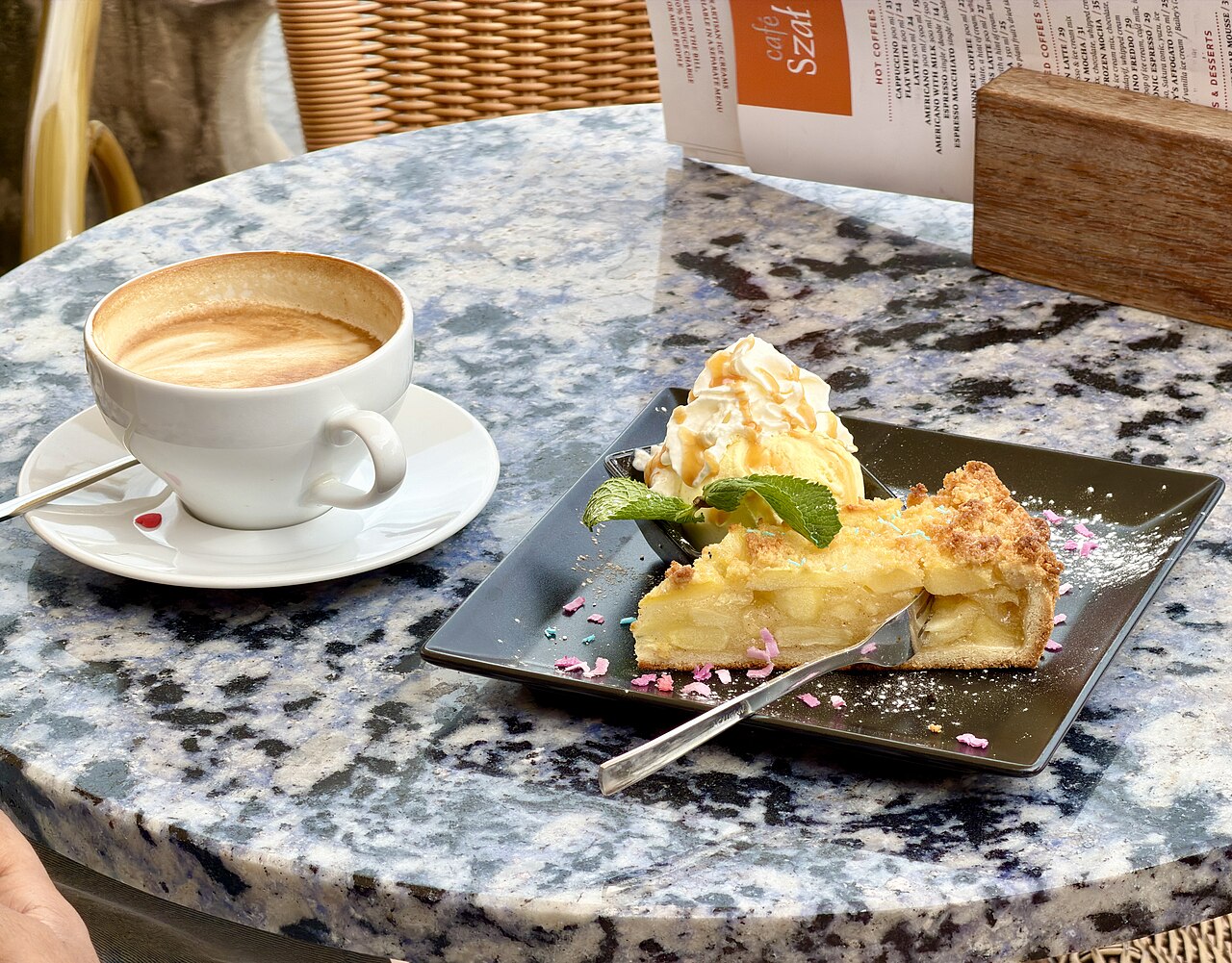
Major cities. Capitals such as Paris, Rome, Vienna, and Prague are busy year-round, but shoulder months typically offer a more balanced experience, with pleasant weather for parks and outdoor cafés.
Hiking areas. Mountain trails in many regions are at their best in late spring and early autumn, provided you confirm that routes and huts are open and conditions are safe.
Getting the Most From Your Trip
Shoulder season often rewards a slower approach. With fewer crowds, there is less need to rise at dawn to beat the queues, and more opportunity to linger. Choosing fewer bases and staying longer in each allows you to adapt to the weather, taking museum days when it rains and outdoor excursions when the sun returns.
Booking flexibility matters as well. Refundable or changeable accommodation and transport fares can be worthwhile when weather is variable, and they make it easier to extend a stay somewhere you love.
Conclusion
For many travelers, spring and autumn are the most balanced times to see Europe. Comfortable temperatures, calmer streets, seasonal food, and better availability more than make up for shorter days and occasional rain. With a bit of attention to timetables and a flexible mindset, a shoulder-season trip can reveal a side of Europe that the summer crowds rarely see.