Few countries make train travel as rewarding as Japan. Its network links major cities, mountain towns, and coastal villages with remarkable punctuality, and for many visitors the journey becomes a highlight in its own right. For first-timers, though, busy stations, multiple operators, and unfamiliar ticketing can feel intimidating. With a little preparation, the system quickly becomes one of the easiest parts of the trip.
Understanding the Network
Japan’s rail system is a mix of operators rather than a single company. The largest is the group of railway companies that grew out of the former national railway, which run the high-speed shinkansen lines and many regional and commuter routes. Alongside them are numerous private railways, subways, and local lines, especially in and around major cities.
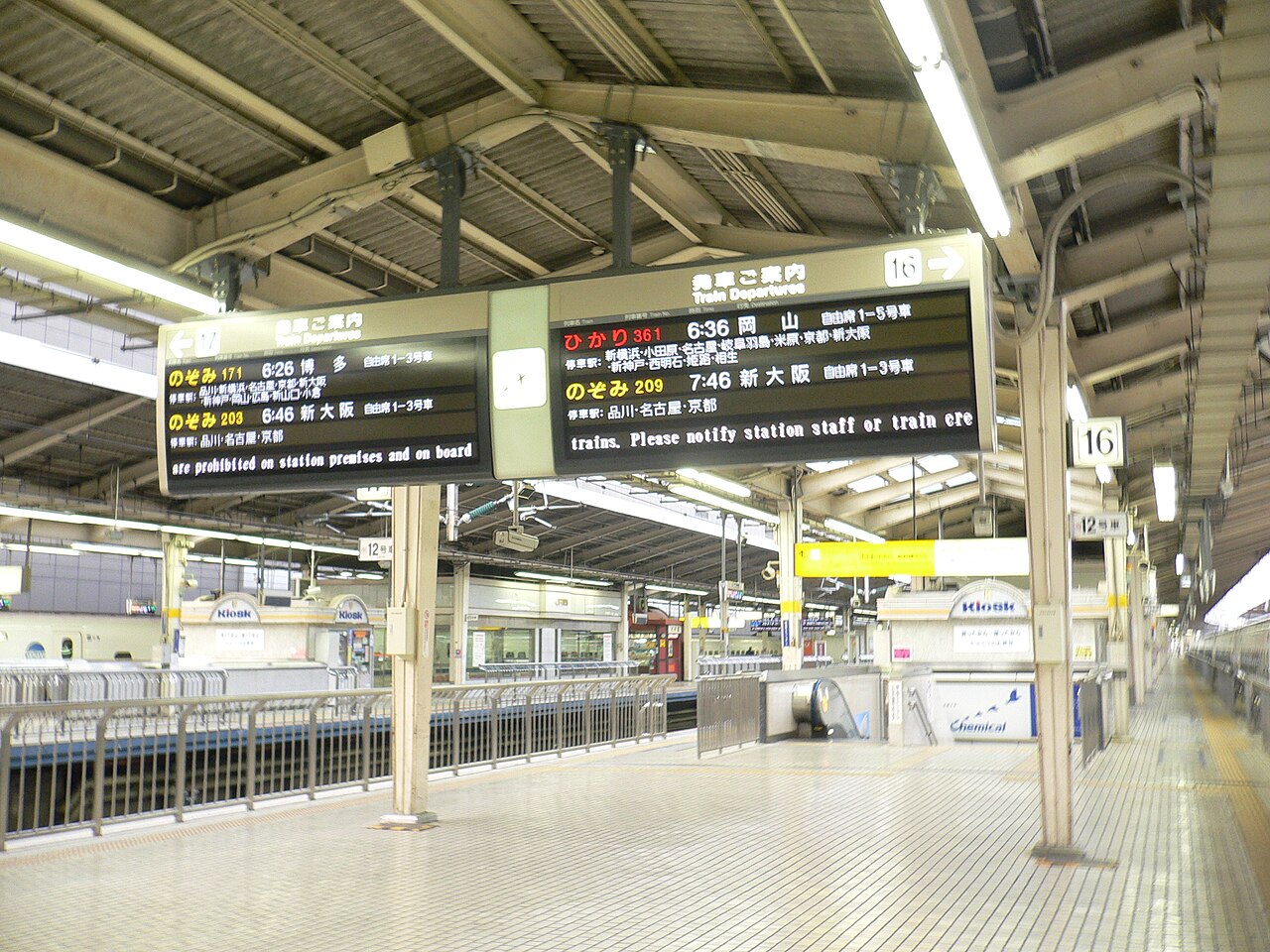
For visitors, the practical takeaway is simple: a single journey may involve more than one operator, and transfers between them sometimes require passing through separate ticket gates. Signs in major stations are usually displayed in English as well as Japanese, and route-planning apps make it straightforward to see which lines, platforms, and transfers a trip requires.
The trains themselves fall into several broad types. Shinkansen services connect major cities at high speed. Limited express trains serve regional routes and often require a supplementary ticket. Rapid and local trains stop more frequently and are typically covered by a basic fare.
Tickets, Passes, and IC Cards
Choosing how to pay is one of the first decisions to make, and the right answer depends on your itinerary.
- Rechargeable IC cards work on most urban trains, subways, and buses, and can also be used at many convenience stores and vending machines. Simply tap in and out at the gate. They are ideal for city travel and short regional hops, and many can now be added to smartphones.
- Individual tickets for long-distance or shinkansen trips can be bought at ticket machines, staffed ticket offices, or online. Reserved seats are recommended during busy periods.
- Rail passes offer unlimited travel on certain networks for a set number of days. National and regional passes exist, and whether they save money depends heavily on how many long journeys you plan to take.
Passes were once an automatic purchase for many visitors, but that calculation has changed over time as pass prices and fares have been adjusted. It is worth adding up the individual fares for your planned route before deciding. Regional passes can still represent strong value for travelers concentrating on one part of the country.
Plan the itinerary first and choose the ticket second. The right pass for one traveler can be an expensive mistake for another.
Riding the Shinkansen
Boarding a high-speed train is easier than it looks. Platforms show car numbers and boarding positions marked on the ground, and reserved tickets indicate the car and seat number. Passengers line up behind the markings and board quickly, since stops at intermediate stations can be brief.
A few habits help the journey run smoothly:
- Arrive at the platform several minutes early, especially at large stations where walking distances can be long.
- Check whether your car is reserved or non-reserved, as unreserved cars fill quickly during peak periods.
- Learn your destination’s name in written form as well as spoken, since announcements move quickly.
- Keep tickets handy until you exit the final gate, because you will need them to leave the station.
Luggage deserves particular attention. Overhead racks suit small and medium bags, but some routes require advance reservations for seats with space for oversized suitcases. Many travelers sidestep the issue entirely by using luggage forwarding services, which deliver bags between hotels, often by the next day, allowing you to travel light.
Etiquette and Everyday Tips
Japanese trains are known for being calm and orderly, and a few customs help visitors fit in. Phone calls are generally avoided in carriages, and conversations are kept quiet. Queuing is orderly on platforms, and passengers allow others to exit before boarding. Eating is common on long-distance trains, where boxed meals sold at stations are part of the experience, but it is less appropriate on crowded commuter lines.
Rush hours in major cities can be extremely busy, particularly on weekday mornings and early evenings. If your schedule is flexible, traveling outside those periods makes journeys more comfortable, especially with luggage. Some lines also designate women-only cars during peak times, clearly marked on platforms.
Station facilities are often excellent. Large hubs include coin lockers, information counters, restaurants, and shops, and many stations have staff accustomed to helping international visitors.
Building a Rail-Friendly Itinerary
The rail network makes it tempting to cover enormous distances, but trying to see too much can turn a trip into a blur of platforms. Choosing a few bases and taking day trips from each is often more relaxing. Combining a major city with a historic town, a hot-spring area, or a rural region gives a fuller sense of the country while keeping travel days manageable.
Scenic local lines are worth considering, too. Slower trains through valleys, along coastlines, and into mountain areas offer a very different view of Japan than the high-speed corridors.
Final Thoughts
Japan’s railways reward a little preparation. Understand the main train types, decide carefully between IC cards, individual tickets, and passes, and learn the basic etiquette that keeps journeys smooth. Once those pieces are in place, the trains become not just a way to get around but one of the most memorable parts of the journey.