For several years, the question facing many employers was simple: should people come back to the office or not? Remote-first companies answered early and confidently that they should not, at least not every day. Now many of those same firms are asking a more nuanced question. Not whether the office matters, but what exactly it is for when nobody is required to sit in it from nine to five.
The answer emerging across industries is not a retreat from flexibility. It is a redesign of physical space around the few things that distributed teams still struggle to do well through a screen.
The Limits of a Fully Digital Workplace
Remote work delivered real benefits. Employees reclaimed commuting time, companies widened their hiring pools beyond a single metro area, and many teams discovered that focused individual work often goes better at a kitchen table than in an open-plan office. Those gains have not disappeared, and few remote-first leaders want to give them back.
Yet some costs became clearer with time. New hires sometimes took longer to feel connected to colleagues. Informal mentoring, the kind that happens when a junior employee overhears how a senior colleague handles a difficult call, proved hard to replicate on video. Cross-team relationships thinned out, because people tended to meet only with those they already worked with directly.
None of these problems is fatal, and many can be addressed with deliberate habits. But they nudged leadership teams toward a realization: a small amount of well-planned in-person time can carry outsized value, provided it is used for the right activities.
From Headquarters to Gathering Place
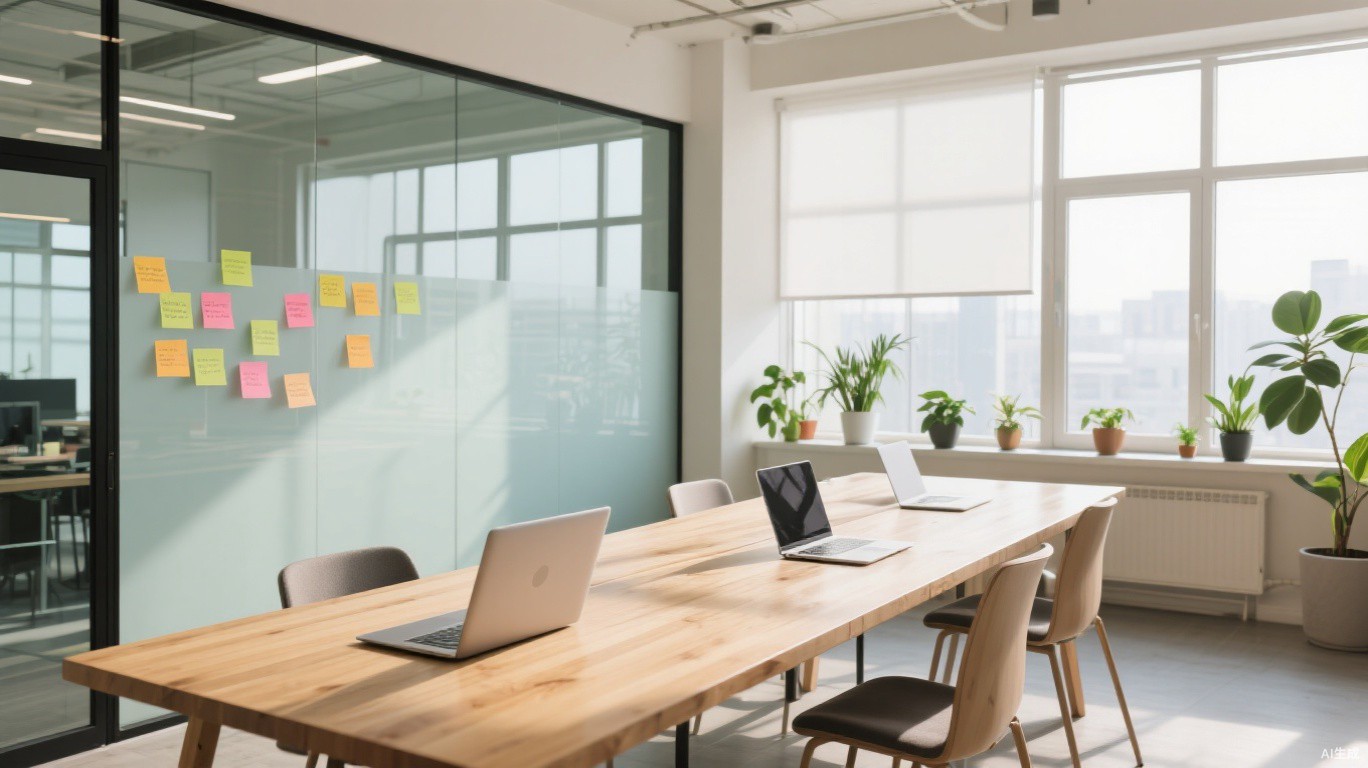
The traditional headquarters was built around desks. Floor plans were measured in seats per square foot, and success meant high occupancy. Remote-first companies that are reinvesting in space are flipping that logic. Their offices, where they exist, look more like conference centers or studios than cubicle farms.
Common features of these redesigned spaces include:
- Large, flexible rooms that can be reconfigured for workshops, planning sessions, or team celebrations
- Smaller enclosed rooms for video calls, so people visiting the office can still join colleagues elsewhere
- Kitchens and lounges sized for groups, because shared meals are often the point of the visit
- Fewer assigned desks, replaced by bookable spaces and quiet zones
Some firms skip permanent leases altogether. They rent coworking memberships in cities where clusters of employees live, or book venues for quarterly gatherings. The money that once went to a single large lease is redistributed into travel budgets and event planning.
“We stopped asking how many people were in the building and started asking whether the time people spent together actually changed anything,” said an operations director at a software company in Denver.
Designing Time, Not Just Space
Perhaps the most important shift is that remote-first organizations are treating in-person time as a scarce resource to be planned, not a default to be enforced. When gatherings happen only a few times a year, each one carries weight. That encourages careful agendas.
Effective teams tend to reserve in-person sessions for work that benefits from high bandwidth: setting annual priorities, resolving complex disagreements, kicking off major projects, and onboarding cohorts of new employees. Routine status updates and solo tasks stay online, where they can be handled asynchronously.
This approach also changes how managers think about fairness. In hybrid arrangements where some people come in daily and others never do, those physically closer to leadership can gain informal advantages. A remote-first model with periodic, company-wide gatherings puts everyone on a more equal footing, because nearly everyone is remote most of the time and everyone travels for the same events.
The Financial Picture
For finance teams, the reconfigured office presents a different set of trade-offs. A smaller footprint or flexible leasing can reduce fixed costs substantially. However, travel, lodging, and event logistics introduce variable expenses that can grow quickly if not managed. Companies that bring a distributed workforce together several times a year often find that these costs are meaningful, though still frequently lower than maintaining a large permanent headquarters.
There is also a talent dimension that is harder to measure. Firms that offer genuine flexibility often report it as a strong recruiting advantage, particularly for experienced workers with family obligations or those living outside expensive cities. A thoughtful in-person program can help retain those employees by giving them a sense of belonging without asking them to relocate.
Commercial landlords have taken note. Some building owners are converting traditional floors into flexible event and meeting spaces that companies can book by the day, reflecting demand from tenants that want access to space without long-term commitments.
What Comes Next
The remote-first movement is maturing rather than reversing. The early phase was about proving that distributed work could function. The current phase is about refining it, identifying where physical presence adds value and investing precisely there.
For employees, this may mean fewer but more meaningful trips to see colleagues. For managers, it means planning gatherings with clear goals and measuring whether they strengthened collaboration. For companies still deciding on their own policies, the lesson is that the choice is no longer a binary between the office and the home. The more useful question is what each setting does best, and how to design work so that people spend their time in the right place for the task at hand.